
by Dr Jason Fung.
Book review by Nutrition Researcher Claire McDonnell
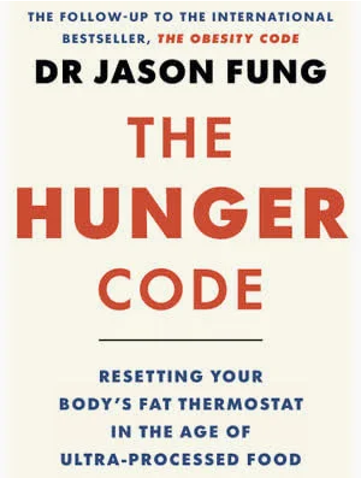
In The Hunger Code: Resetting Your Body’s Fat Thermostat in the age of Ultra-Processed-Food, Dr. Jason Fung offers a fresh take on why losing weight can feel impossible, and why dieting often fails.
Released in early 2026, the book shifts the focus from calories and discipline to the body’s biological “fat thermostat”, governed by hormones and influenced by our modern foods.
Hunger Hormones – Not Calories!
The dietsphere has traditionally operated on the idea of “calories in versus calories out,” but Fung explains that the body actively regulates fat stores through hormones insulin, leptin, and ghrelin. When hormone signals are disrupted, as is the case when eating ultra-processed foods, the body resists fat loss, making traditional dieting ineffective and frustrating.
“Understanding the hormonal drivers of appetite and fat storage is the first step toward lasting weight management.” says Fung. By reframing weight loss and weight management around our biology, Fung gives readers a practical roadmap to achieve and sustain weight loss goals, free from willpower battles.
Dr Jason Fung

Dr. Jason Fung, a Canadian physician and advocate of low‑carbohydrate nutrition and intermittent fasting, has written several influential books that reframe weight and metabolic health through hormonal regulation rather than calorie counting.
His books include The Complete Guide to Fasting, The Obesity Code, The Diabetes Code, The Obesity Code Cookbook, and more recent titles, including The Cancer Code. Fung also regularly shares practical insights at events, including his frequent talks for Low Carb Down Under.
Dr. Jason Fung – ‘Therapeutic Fasting – Solving the Two-Compartment Problem’.
His Low Carb Down Under talk on the hormonal drivers of blood sugar and insulin resistance has received 6.1Million views to date.
Dr. Jason Fung – ‘A New Paradigm of Insulin Resistance’
Ultra-Processed Foods: Weight Loss Saboteurs
A central theme of the book is how ultra-processed foods interfere with the body’s fat-regulating hormones. Refined sugars, additives, and hyper-palatable engineered foods can reset the fat thermostat upward, increasing cravings and promoting fat storage.
Fung’s advice is simple yet impactful: reduce ultra-processed foods and focus on whole, nutrient-dense alternatives to restore natural appetite control.
Beyond Willpower: Three Types of Hunger
Fung identifies three forces driving eating behavior:
- Physical hunger — biological need for nutrients
- Emotional hunger — eating for comfort or pleasure
- Social hunger — influenced by environment or routine
Recognising the type of hunger you’re experiencing can break the cycle of overeating and help you to achieve more mindful food choices.
Actionable Strategies for Everyday Life
The Hunger Code doesn’t just explain why diets fail, it gives readers tools to succeed with weight loss goals. The book contains actionable tips and Three Golden Rules for sustainable weight management, covering:
- Meal timing and food quality
- Managing cravings and social eating triggers
- Choosing foods that support hormonal balance
These strategies are flexible, practical, and grounded in science.
Final Thoughts
The Hunger Code is more than a diet book, it’s a science-based guide to understanding why traditional diets often fail and how to reset the body’s fat thermostat through mindful food choices and lifestyle strategies. For anyone struggling with weight, curious about metabolism, or seeking a sustainable path to health, Dr. Fung offers both clarity and practical solutions. That said, reducing ultra-processed foods and restructuring habits requires time, effort and consistency, it’s not a quick fix.
By addressing the root hormonal drivers of hunger, we can take control of our health in a way that is sustainable, informed, and empowering.


Leave a Reply